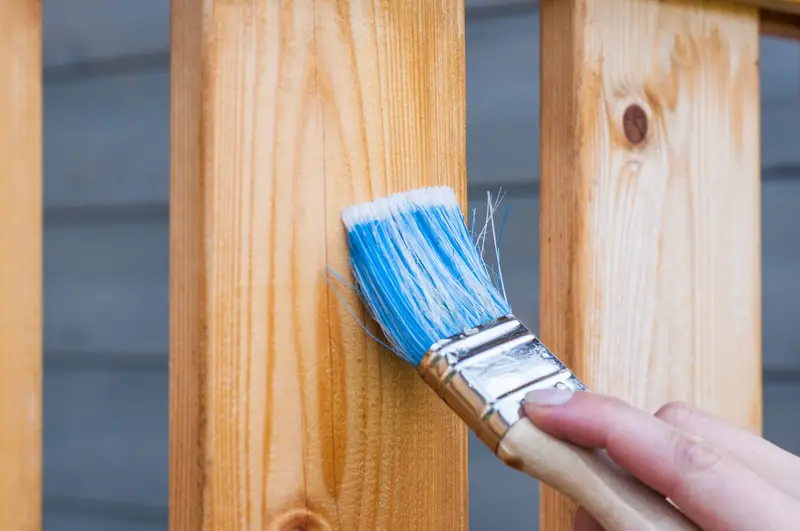
How to repair rotten wood on a terrace or balcony
How to repair rotten wood on a terrace or balcony
Tools and equipment you will need
For repairing rotten wood, you will typically need a claw hammer, safety glasses, protective gloves, a suitable saw, an old screwdriver, a protective respirator and a ground sheet or tarp.
1. Identifying rotten wood
Not all damaged or weakened wood is necessarily rotten. Timber can crack or split due to impact or weather conditions, and such damage is usually easy to spot and repair.
Dry rot and wet rot, however, can affect a much larger area than is visible on the surface. Posts or beams may look sound from the outside while being completely decayed inside. Rotten wood is usually soft or spongy to the touch, often discoloured, and may appear blistered. When pressed with a screwdriver, it gives way easily and crumbles.
Fungal growth often accompanies both types of rot. The internal structure of rotten timber becomes porous and breaks down under pressure, similar to dry bread.
2. Removing rotten boards
Lay a protective sheet on the ground around the damaged area. When working from ground level or a ladder, use a claw hammer or pry bar and always wear safety glasses.
Place removed boards directly onto the sheet. Try to salvage any undamaged sections where possible. Once removed, turn the boards over and pull out nails from the back before disposal.
Any remaining wood fragments attached to joists can be prised off using a pry bar. Remove all leftover nails from the structure and dispose of them safely.
3. Cutting out rotten sections
Larger rotten timber elements are harder to remove, especially if they are load-bearing or embedded in concrete. Wood often rots from the inside out, meaning the surface may still appear intact while the core has failed.
Cut rotten sections into smaller pieces to make removal easier. Temporarily support any structure above the damaged area to prevent the saw blade from binding. Depending on access and thickness, you may need to cut from both sides of the timber using a jigsaw, circular saw or similar tool.
4. Removing rotten railings and handrails
Rotten wooden railings are particularly dangerous because they can appear stable even when they are not. People often lean on them with their full body weight.
Plan the removal carefully to ensure safety. Loosen handrails and balustrades by striking upwards from below to free the fixings. Continue removal with a pry bar, lifting the elements away. Supporting posts can often be pulled free by hand, using gloves, once their fixings are released.
5. Disposing of rotten wood
Rotten timber is often too large for household waste and is generally classified as construction waste. Local disposal regulations apply.
For larger quantities, hiring a waste container is usually the most practical option. Exterior timber is often chemically treated and cannot be recycled. If you have suitable transport, you may also take the waste directly to a local recycling or waste centre.
Safety tip: Remove all nails and fixings immediately after dismantling to reduce the risk of injury during handling and transport.
How to prevent further wood rot
Moisture is the main enemy of wood, as it creates ideal conditions for rot, mould and fungal growth. If a terrace or balcony is constantly exposed to standing water or trapped moisture, deterioration accelerates rapidly.
Prevention focuses on reducing moisture exposure. This includes regular cleaning, removing leaves and debris that retain water, and ensuring adequate ventilation. High-quality protective coatings and sealants create a barrier against moisture and significantly extend the lifespan of timber.
The best protection is good construction practice, although this is not always possible with older terraces and balconies. Regular inspections and early repairs are therefore essential. If you are unsure about the condition of the structure or the correct repair method, consult a professional before the problem becomes a serious safety risk.
Related articles

How often should you paint a house or flat? A room-by-room guide
Regular interior painting is not only about appearance but also about protecting surfaces and maintaining a healthy living environment. The correct repainting frequency depends on the type of room, how intensively it is used and the materials chosen. Many people do not realise that neglected paintwork can even affect indoor air quality. This guide will help you understand how often each area of your home should be repainted and how proper planning extends the life of wall finishes.

Modern painting techniques: Venetian plaster, textured finishes and their use in interiors
Modern decorative painting techniques such as Venetian plaster and textured wall finishes bring character and depth to interior spaces. They combine traditional craftsmanship with contemporary design, creating surfaces that are not only visually striking but also practical and long-lasting. In this article, we explain what these techniques involve, their main advantages and where they can be used most effectively in the home.

How to prepare a flat for painting: what you can do yourself and when to call a professional
Painting a flat can be a refreshing change that gives your interior a clean and updated look. At the same time, it is a task that requires careful preparation and the right decisions. Some steps can be handled on your own, while others are best left to professionals. In this article, we explain how to prepare for painting, which jobs you can do yourself and when hiring a professional decorator is the smarter option.