
Where Can You Save Money During a Renovation?
Where Can You Save Money During a Renovation?
Fortunately, unlike exterior elements, interior features can be adapted much more easily to suit both your taste and your budget. Let’s take a look at the key ways you can save money during an interior renovation.
1. Wall colours
The cost of painting walls can be surprisingly high, especially if you choose multiple colours or patterns. Every time a painter changes colour, they must ensure clean, sharp transitions, which is time-consuming. The more colours you use, the higher the labour costs.
If you want to reduce painting costs, limit the number of colours you choose. Also consider reducing the number of walls painted in a colour other than the main one. Every time the painter works around ceilings, skirting boards or light switches, precise cutting-in is required. This not only increases painting time but also adds time for cleaning brushes and changing paints.
2. Tiles and wall coverings
Choosing different tiles for floors and walls can significantly increase the cost of a bathroom renovation, especially if you opt for unusual shapes or complex patterns. Tiling work then takes much longer, as the tiler must carefully lay out the design and position each tile precisely. Instead of charging per square metre, the tiler may charge an hourly rate.
You should also consider tile waste. Tiles often need to be cut to fit the space exactly, and the more cutting required, the more material is thrown away.
Tip: If you like patterned tiles, choose a simple shape that minimises waste and installation time. Also limit the area covered by decorative tiles.
Simple, single-colour tiles with a clean shape can give your bathroom a luxurious look while reducing waste and overall costs. Using the same type of tile throughout multiple rooms may also allow you to negotiate a bulk discount.
Tip: Natural stone, ceramic and porcelain are the main tiling materials. Ceramic tiles can provide the look of expensive natural stone at a fraction of the price and are much easier to install.
3. Window frames
Window frames are typically made from timber, aluminium or, if budget allows, slim steel. There are several ways to save money on window frames, but the easiest is to choose a cost-effective profile. For example, aluminium frames are available in commercial, semi-commercial and residential profiles. Semi-commercial profiles are usually much cheaper than the others.
As a general rule, the more windows you have, the more expensive the build becomes. Maximise glazing in living areas where you want daylight and views, and minimise it in spaces where you spend less time.
Tip: The larger the window, the heavier it tends to be, which can increase transport and installation costs. In some cases, two smaller windows placed side by side are significantly cheaper than one large window.
4. Drawers and cabinets
Kitchen drawers provide excellent storage and make it easy to keep utensils well organised. You can see at a glance where everything is. However, drawers are significantly more expensive than standard kitchen cabinets. While cabinet doors require simple hinges, drawers need runners, which increase the cost.
The more drawers you choose, the higher the overall cost of your kitchen renovation.
Tip: If you plan to install many drawers, carefully consider the type of runners you choose. Styles, features and prices vary widely, and your choice will affect not only the cost of the drawers but the total kitchen price as well.
5. Kitchen units and worktops
There are many materials available for kitchen worktops, including laminate, natural stone, engineered stone, wood and various modern or eco-friendly materials. However, the decision doesn’t stop there.
The size and layout of your kitchen units also play a major role in the overall cost. The more cabinetry you need, the more you’ll pay. Even choosing a cheaper material may not be enough to keep costs low. To better understand the total expense, it’s worth reviewing price lists for building and installation work, which outline costs for each stage of fitting the kitchen.
6. Lighting
Electricians generally charge for lighting installation based on the number of fittings installed. The more ceiling lights you have, the higher the labour and installation costs.
You should also consider that more lights mean higher electricity bills. Limiting the number of ceiling lights and placing them strategically where light is actually needed may take more planning time, but it can significantly reduce both installation and running costs.
Tip: Some lighting suppliers offer a free lighting design service tailored to your space and needs. This can save money and result in a well-thought-out lighting plan. The downside is that you’ll usually need to purchase all lighting from that supplier.
7. Light switches and electrical sockets
Light switches and electrical sockets have become a design trend in recent years. However, choosing non-standard shapes or colours can dramatically increase your budget. While many switches offer additional features, they all essentially do the same thing – turn the lights on and off.
Your electrician may also charge more for installing specialised fittings. If non-standard wall cut-outs are required, you can expect additional electrical installation costs, especially when the work deviates from standard layouts.
Tip: Install cheaper switches in less visible areas such as inside cupboards or pantries. Save the more expensive, designer switches for prominent rooms and visible locations.
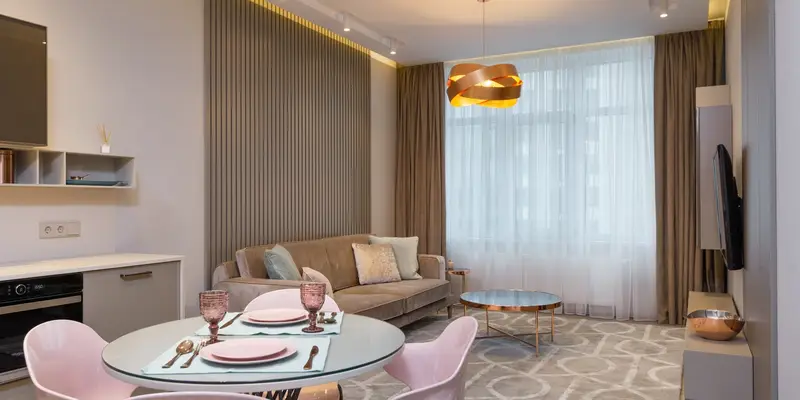
Photo: Alesia Kozik, Pexels
Tags
Related articles
7 Things You Need to Know Before Renovating Your Flat or House
You know you want to renovate your flat or house, but you are not quite sure where to start. You are not alone. Many homeowners jump into a renovation project without fully understanding what lies ahead.

Restoring Original Parquet Floors: Why Refurbishing Old Flooring Is Worth It
Old wooden floors carry a unique character that is difficult to replicate in modern new builds. Restoring original parquet blocks is not only an environmentally responsible decision, but also an investment in the timeless beauty of your interior. A professionally refurbished wooden floor can often outperform brand new materials in both appearance and longevity.

Floor levelling: what it is and why you should never skip it
An uneven floor can be a hidden issue that gradually turns into a visible and expensive mistake. Properly levelling the surface before installing a floor covering is essential for both durability and appearance. Many people underestimate this step or skip it entirely, only to face problems later such as bubbles, warping or cracks. This is why floor levelling is a crucial stage in every renovation and new build. In this article, you will learn why a high-quality levelling base is so important and how it should be carried out correctly.