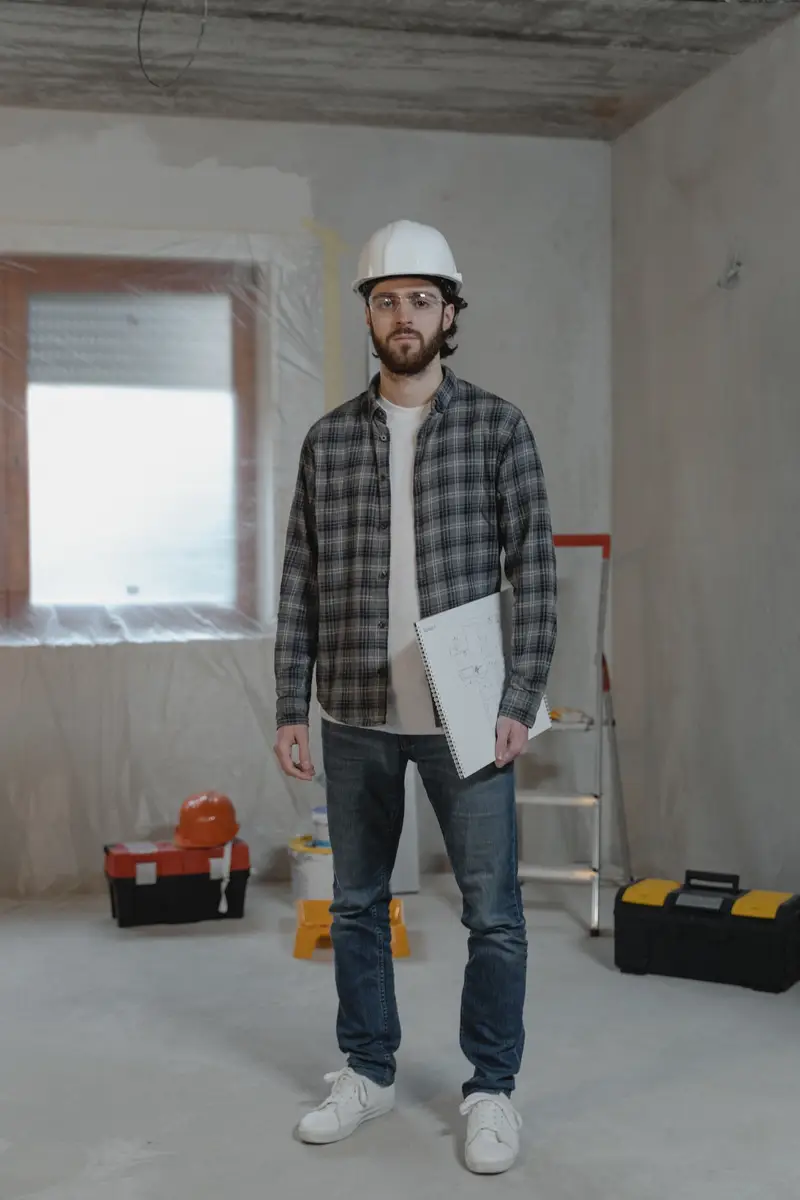
Home improvements you should leave to professionals
Home improvements you should leave to professionals
Electrical work
Any work involving electrical wiring or installations should always be carried out by a certified electrician. Professionals understand safety standards and legal requirements, reducing the risk of serious problems.
Incorrect electrical work can result in damaged appliances, power failures or, in the worst case, electric shocks and house fires. Even seemingly simple tasks such as installing a ceiling light can be dangerous if done incorrectly.
Plumbing work
Basic tasks like replacing a tap may be manageable, but most plumbing work should be handled by experienced plumbers.
Poorly installed pipes, toilets, baths or showers can lead to leaks, water damage and mould. Repairing these issues is often far more expensive than hiring a professional from the outset.
Tiling work
Laying tiles may appear to be a straightforward way to save money, but it requires precision and experience.
The surface must be properly prepared, measurements accurate and cuts clean. Any mistakes are usually visible immediately and difficult to correct without additional cost.
Roof repairs
Roof work is one of the most dangerous types of home improvement. Working at height, often on slippery surfaces, carries a high risk of serious injury.
In addition, poorly executed roof repairs can cause leaks and long term structural damage, which can significantly reduce the value of a property.
Structural alterations
Any work involving load-bearing walls or structural elements must be carefully assessed and carried out by qualified professionals.
A wall that appears non-structural may be supporting weight or concealing essential services. Removing it without proper assessment can compromise the stability of the entire building and lead to serious legal and safety issues.
Floor installation
Installing new flooring involves more than simply removing the old surface. Subfloors may be uneven, damp or damaged and often require additional preparation.
Flooring work also produces a large amount of waste that needs to be disposed of correctly. Professional installation saves time, prevents future problems and ensures a high quality result.
When to consider hiring a professional
If you are unsure whether to tackle a project yourself, ask whether you have the necessary skills, experience and tools. Then consider whether the potential savings are worth the time, effort and risk involved.
In many cases, hiring a professional is not an unnecessary expense but a sensible investment in safety, quality and the long term value of your home.
Tags
Related articles

7 Things You Need to Know Before Renovating Your Flat or House
You know you want to renovate your flat or house, but you are not quite sure where to start. You are not alone. Many homeowners jump into a renovation project without fully understanding what lies ahead.

Floor levelling: what it is and why you should never skip it
An uneven floor can be a hidden issue that gradually turns into a visible and expensive mistake. Properly levelling the surface before installing a floor covering is essential for both durability and appearance. Many people underestimate this step or skip it entirely, only to face problems later such as bubbles, warping or cracks. This is why floor levelling is a crucial stage in every renovation and new build. In this article, you will learn why a high-quality levelling base is so important and how it should be carried out correctly.

How Often Should You Paint a House or Apartment? Room by Room Guide
Regular interior painting is not only about appearance, but also about protecting surfaces and maintaining a healthy living environment. The correct painting frequency depends on the type of room, how heavily it is used, and the materials chosen. Many homeowners do not realize that worn paint can even affect indoor air quality. This guide helps you plan interior painting properly and extend the lifespan of your walls.